RECENT PUBLICATIONS |

The Tortured Tales Department
Death is inevitable, arriving quietly when one’s time in this world runs out. The living are left to care for the dead, offering them the respect and closure they deserve. For every death is a story waiting to be told—dead men do tell tales—and it is up to the living to unveil them so truth can prevail.
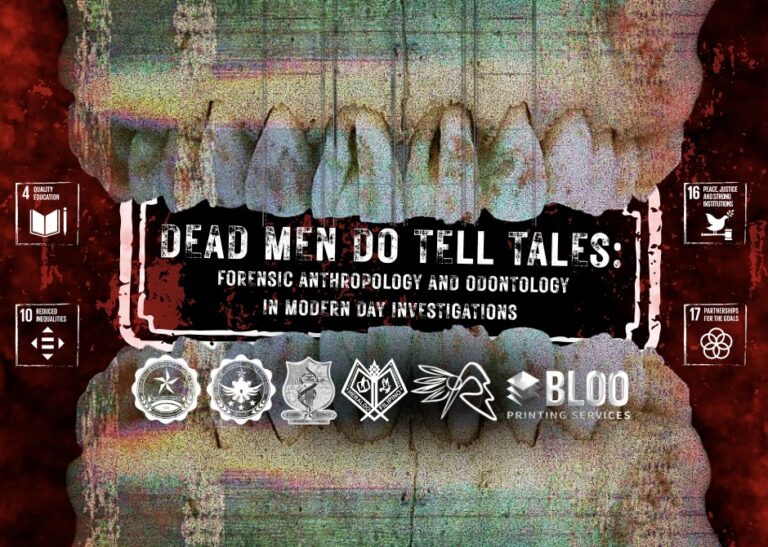
On November 14, fourth-year Bachelor of Forensic Science (BFS) students stepped beyond the classroom and into the gripping world of forensic anthropology and forensic odontology during Dead Men Do Tell Tales, an immersive seminar that brought the science of the deceased vividly, and fascinatingly, to life.
When the community speaks, we listen
Whenever a loved one meets their end, cultures around the world honor the departed through traditions shaped across generations. In the Philippines, the lamay—a wake that lasts several days—allows families and friends, including those overseas, to see the deceased one last time. During these days, prayers for their journey to heaven are offered, pag-aatang or peace offering rituals are performed, and the 40-day tradition guides the soul’s transition.
Because the Philippines is home to multiple ethnolinguistic groups, each community holds its own wake practices, shaped by belief and culture. These traditions reflect the broader context of the Global South, as explained by Dr. Ma. Teresa De Guzman, an applied anthropologist from the University of the Philippines (UP) Manila.
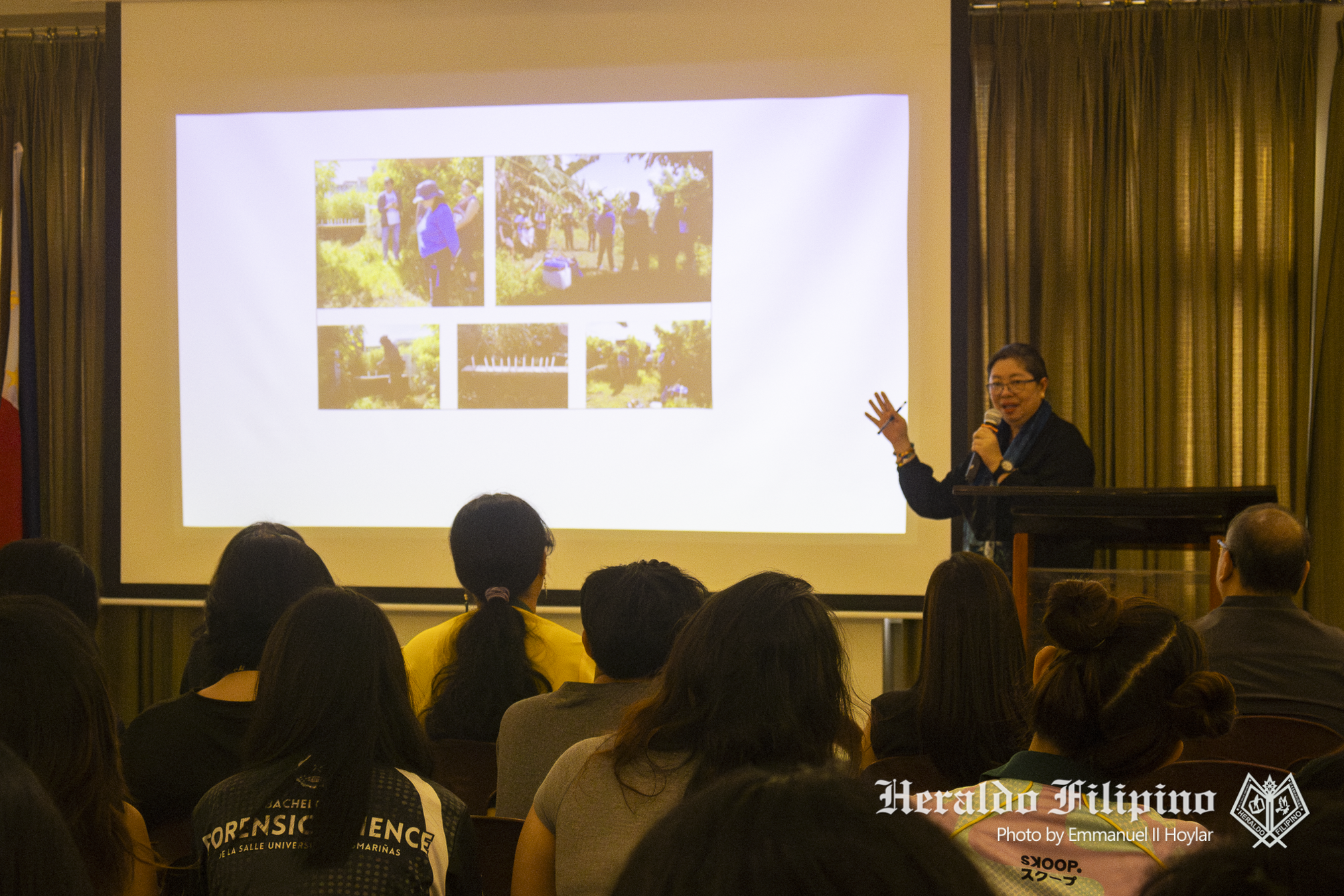
In her session, she explained the relevance of linguistics and indigenous peoples (IP) communication in anthropology—a practice she describes as “listening to the dead.” She emphasized how Global South countries, including Southeast Asian nations, differ from Western societies in dealing with death. She observed that rituals in the Global South during a wake are deeply tied to the culture the deceased grew up in during their lifetime. The ceremonies are often integrated as a celebration of their identity and ethnic roots, as well as the community’s expression to pay their respect. This stark difference sets the Global South apart from Western funeral traditions.
In her ethnographic study, she found out how specific rituals done within IP communities are needed before conducting an autopsy, as these groups believe they are spiritually connected to their deities. Indigenous peoples’ culture and customs must be included in the field of forensics. It can broaden our understanding of our population and acknowledge the sensitivity of different tribes when it comes to death. In forensics, identifying the cause of death is primarily hard as it has to be investigated thoroughly, but with the IP’s knowledge of their terrain and even animals living in their specific region, it can often help in tracing the events before a tragedy and even integrate their system in making forensics much more efficient and localized.
She witnessed this firsthand in Ifugao during the Bogwa ritual, a ritual in which remains of the deceased are exhumed, cleaned, and wrapped to allow them to cross into the afterlife. In this account, a tribal elder conducts a prayer ritual to ask permission from nature before Dr. De Guzman and her team proceed with an autopsy—an essential gesture that reflects the community’s spiritual ties.
Language as a bearer of truth
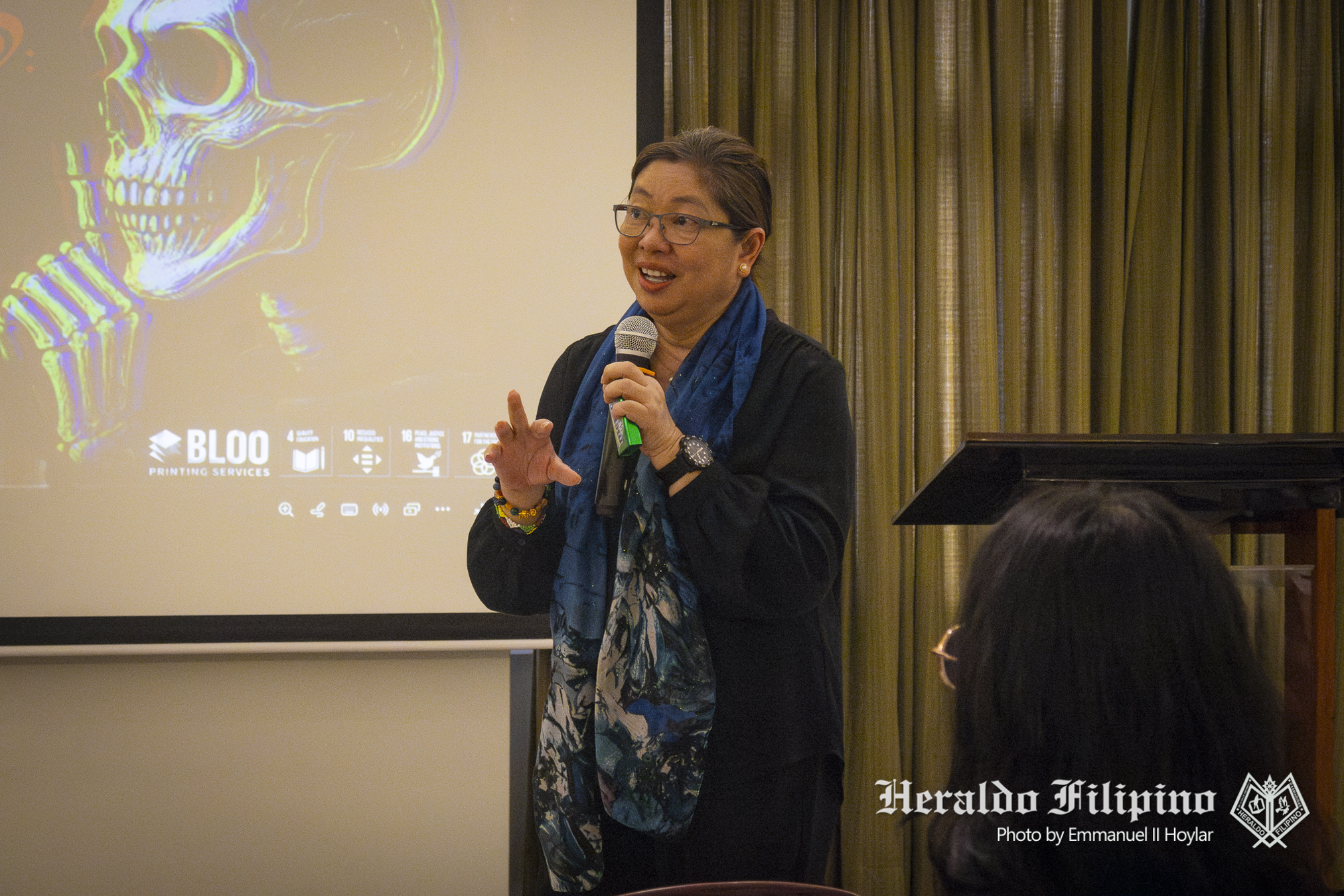
The words we utter convey multiple meanings, depending on their context. These meanings take on different associations depending on how they were used within a specific area or community. Local dialects across the country are rich in structure and nuance, having their own unique words, phrases, and linguistic nuance, which can help in the field of forensics and even aid in identifying victims.
Dr. De Guzman emphasized that the indigenous people’s system of language is an essential aspect in enriching the forensics field in the country. Analyzing the unique dialect of a particular tribe is imperative in accurate translation to avoid misrepresentation of intent. Miscommunication, she noted, can delay or even halt autopsies due to false translations and misinterpretations. Language reflects culture, worldview and traditions; combined with forensics, it becomes a tool that uncovers the tale behind a tragedy.
Truth-breaking teeth-tales
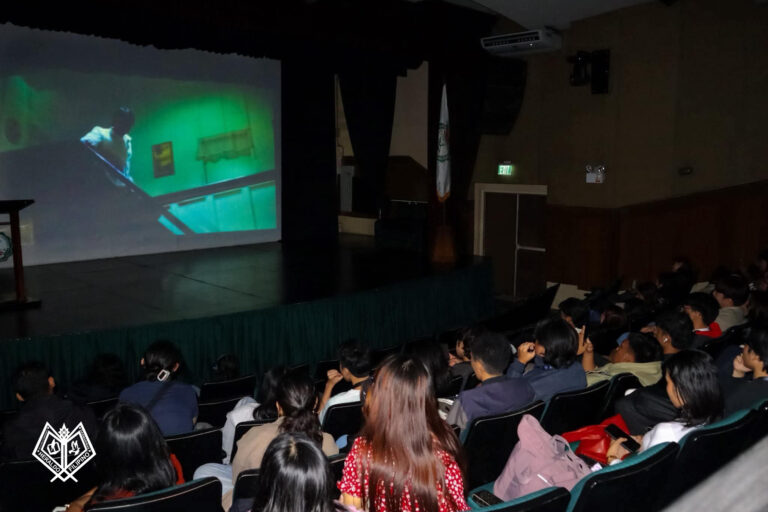
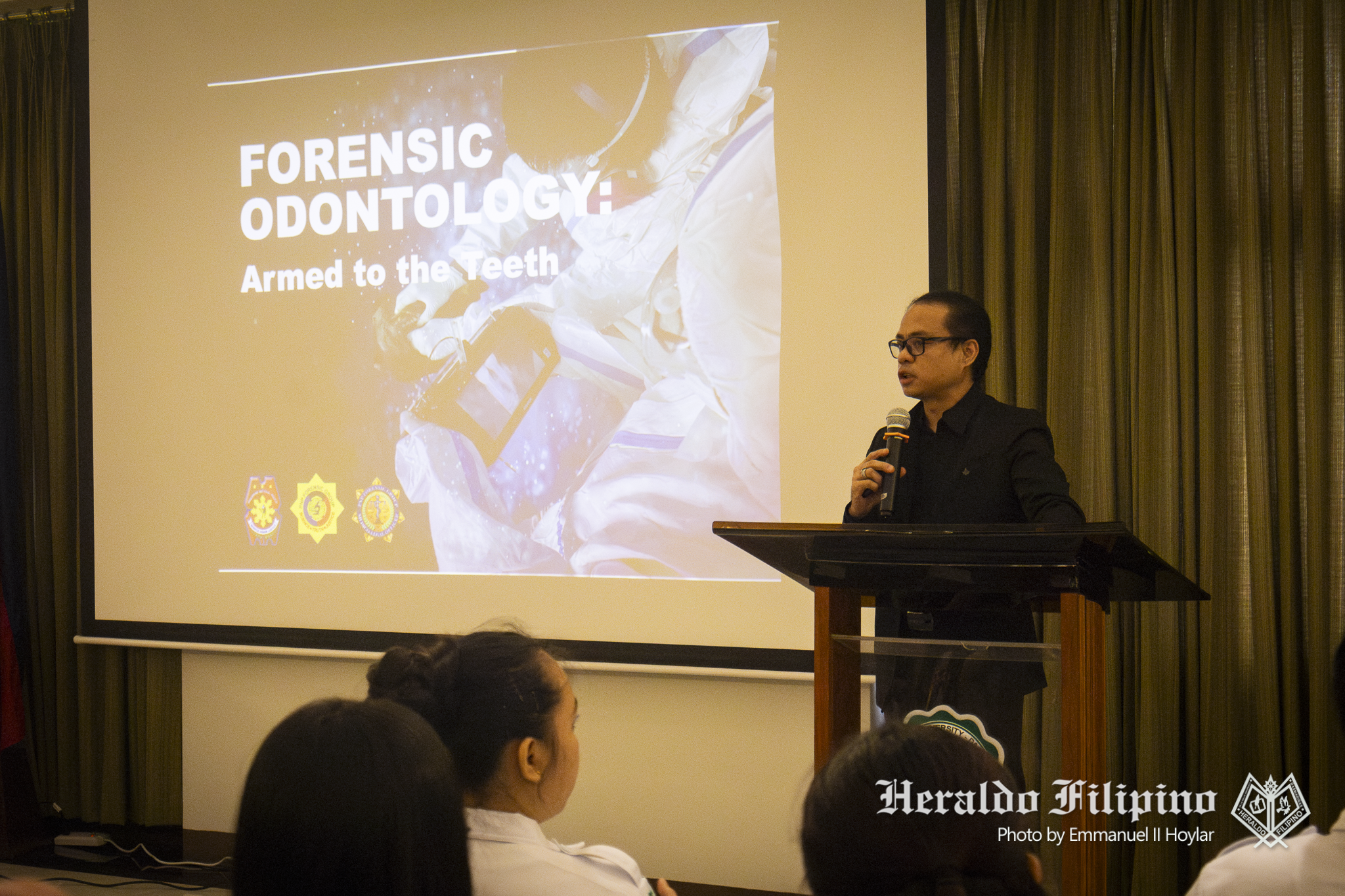
Forensic odontology remains a field largely unfamiliar to the public, yet it plays a profound role in investigations, bridging science and justice. During the morning session at the Ayuntamiento de Gonzalez (AdG), participants witnessed firsthand the applications of forensic odontology in investigations. Cases were displayed on the screen, including bite marks, charred remains, and dental images, demonstrating how teeth and dental records provide critical information for identifying victims and linking suspects to crimes. Dr. Jose Dindo Marie T. Herrera, a seasoned forensic odontologist and retired Police Lieutenant Colonel from the Philippine National Police (PNP), explained “When you die, you’re just a number inside the body bag,” yet dental records restore identity to that number. He describes teeth as “divinely designed” because, unlike most of our body that decays rapidly, teeth endure long after death. As he put it, “They are easily destroyed when we are alive but preserved when we are dead,” making them a remarkably reliable tool in forensic investigations.
To illustrate this, he presented several case studies. In the 2023 Cessna plane crash on Mayon Volcano, dental records played a groundbreaking role in identifying victims through X-rays. Bite-mark analysis can link perpetrators to victims when a suspect’s dental patterns match marks left during an assault. Tooth eruption patterns help determine a person’s age, while distinctive dental features such as fillings, chips, or unique alignments provide answers when other records are unavailable. Even tiny fragments, like molars recovered from fire scenes, can offer essential clues that would otherwise go unnoticed.
Though forensic odontology may sound like something out of a crime show, Dr. Herrera stressed its practical significance. Maintaining accurate dental records and oral health not only supports everyday care but also lays the groundwork for forensic identification. Dental evidence does more than show anatomy, they are instruments of truth that contribute to the pursuit of justice.
By the end of the session, participants understood more clearly how life, death, and science intersect in forensic work. Seeing how even small fragments of evidence can reveal crucial truths showed why forensic odontology remains essential in both criminal investigations and disaster response.
***
Banksy, a well-known street artist in England, once said “You die twice. One time when you stop breathing and a second time, a bit later on, when somebody says your name for the last time.” The event captured this sentiment perfectly. Death may end a person’s life, but not their stories.
Through forensic science, anthropology, and the cultural knowledge of communities, they continue to guide the living. Their stories inform, warn, and teach—revealing truths that shape our understanding of humanity.
Dead men do tell tales—and it is up to the living to narrate them for others to remember.
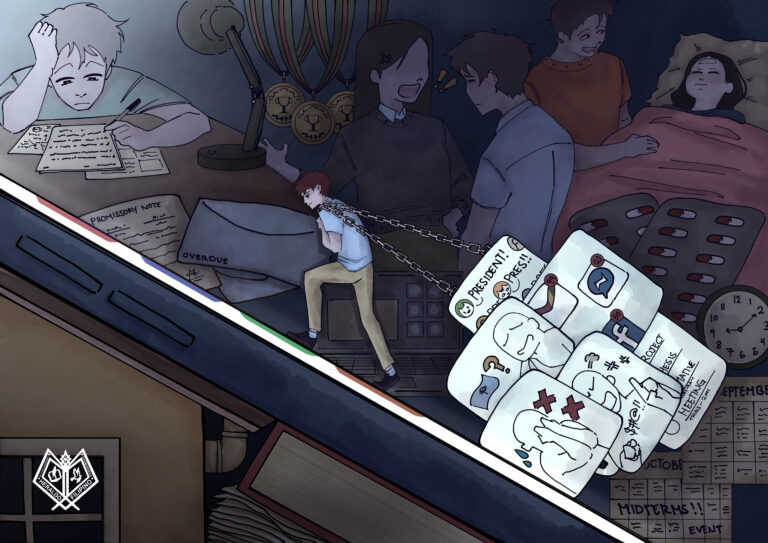
Graphic art courtesy of Juliana Gail Dela Cruz (BFS42)