RECENT PUBLICATIONS |

Anak sa Laughter: Tunes, Tales, and Tawa
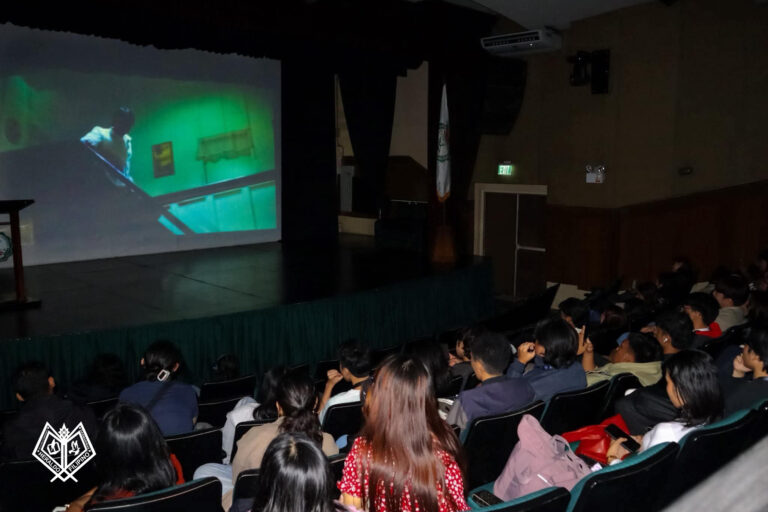
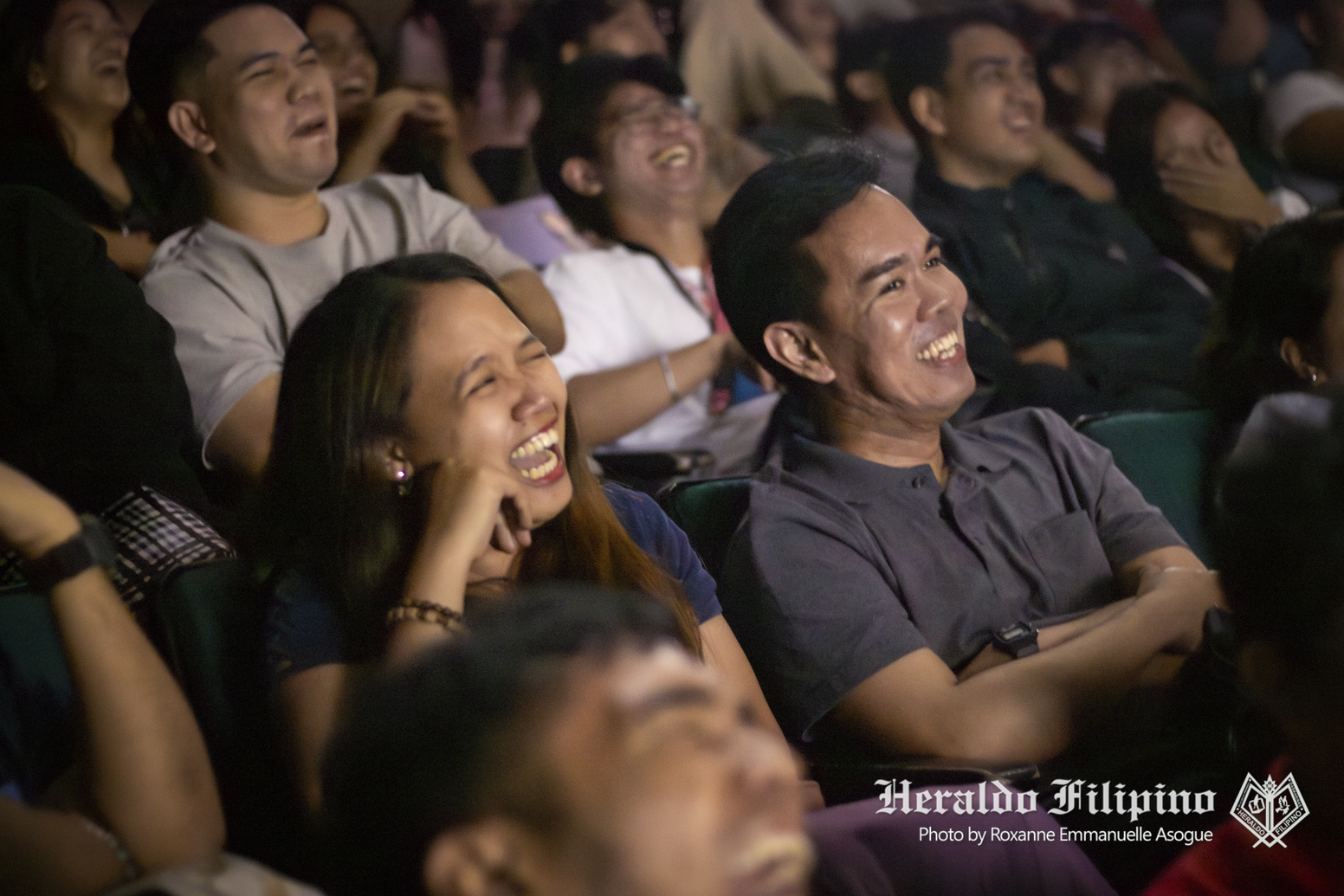
For quite some time, the walls of Tanghalang Juan Felipe (TJF) have been quiet, absent of the collective roar of laughter. Stepping into the theater offered a pause—a chance to breathe, to laugh until the stomach ached, and to indulge in raw, authentic comedy. In campus clubs and theater spaces, comedians step onstage to deliver original punchlines. Stand-up comedy presents satirical monologues and stories drawn from firsthand experiences.
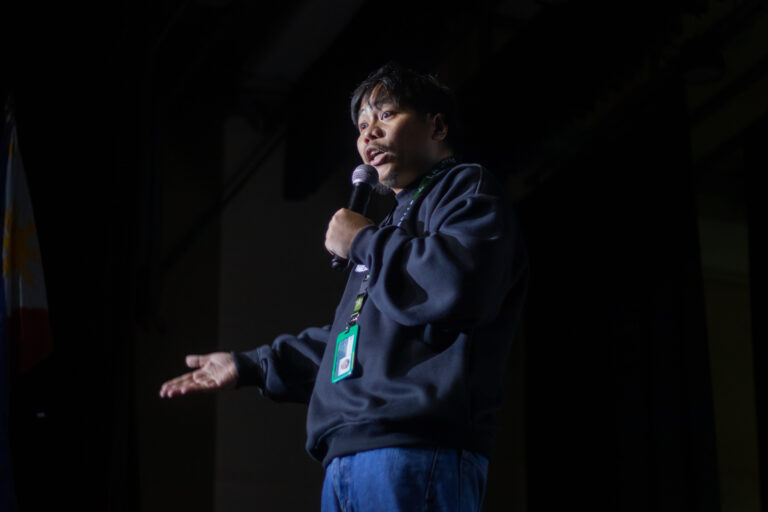
Celebrating a decade in the spotlight, returning Accountancy Department (ACD) faculty member John Rex Millora produced a comedy show titled Anak sa Laughter on November 29. Hosted by Dawit Tabonares, the show featured members of The Comedy Crew, a collective of the country’s finest stand-up comedians whose humor echoes Filipino stories.
“Tingin ko, progresibong bansa ang isang bansang progresibo ang komedya,” Millora remarked, underscoring his belief in comedy as a measure of social progress. He also shared his hopes for this event to kickstart the stand-up comedy culture inside the campus. As English comedian Ricky Gervais put it: “If you can laugh in the face of adversity, you are bulletproof.”
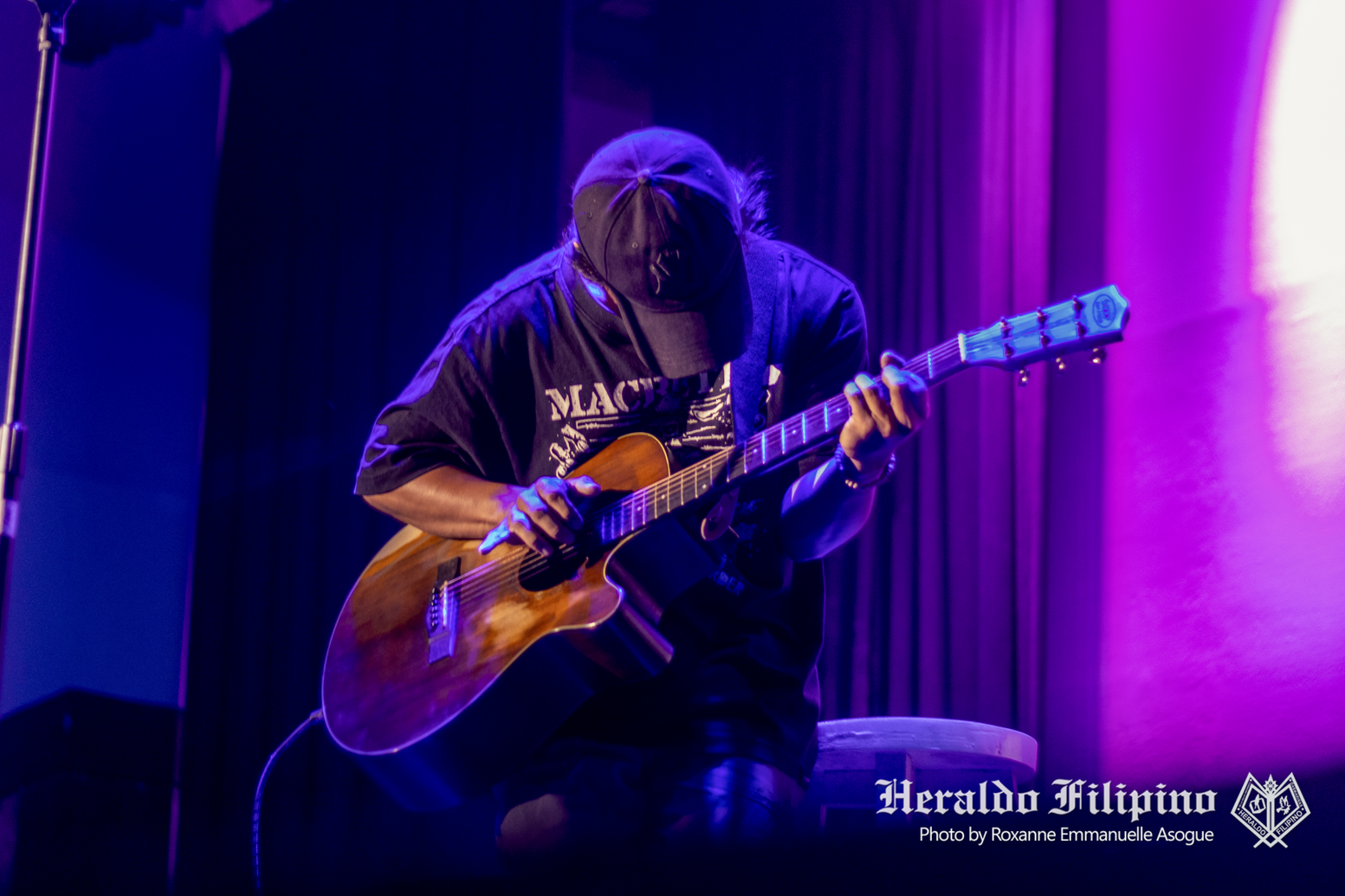
Bare hands on the strings
Before the punchlines, the event opened with an acoustic set that introduced a quieter tone, setting an unhurried tempo, allowing audience and performer alike a moment of ease.
The opening segment featured performances by De La Salle University – Dasmariñas (DLSU-D) alumnus and Playa Arts Collective member Reuben Randolf Penuliar Estrada, followed by Enabi Florida from the Alpas & Tanza Arts Community. Their original compositions promoted Original Pilipino Music (OPM) and filled the theater with a subdued acoustic atmosphere.
Both artists expressed gratitude to Millora for providing a platform for their work, true to the goal of promoting fellow local artists.
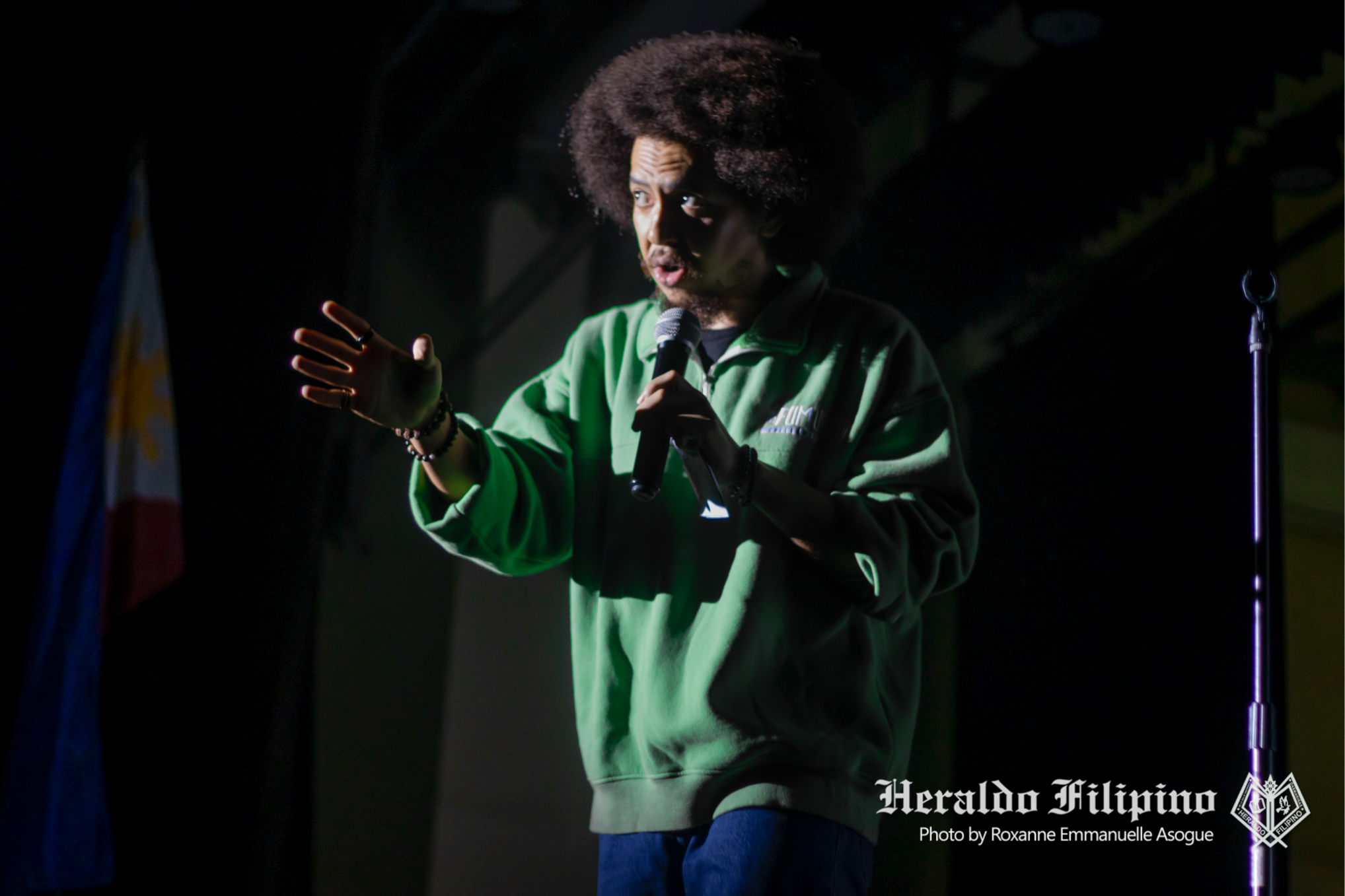
Sit back, listen, and laugh
For the main event, host Dawit Tabonares took the stage, relieving the audience of formal theater etiquette and reminding them of stand-up comedy’s golden house rule: “Do not hold back your laughter.” Audience energy shifted when he introduced himself as half-Ethiopian: “Yes, I’m half-Filipino, half-African, kaya mukha akong tour guide sa Thailand”—a remark that sent the audience into laughter. His routine referenced Cebuano-Filipino culture, often incorporating observations on ethnicity and the online humor surrounding it. His curly hairstyle also became part of his material, especially when recounting how others react to its appearance.
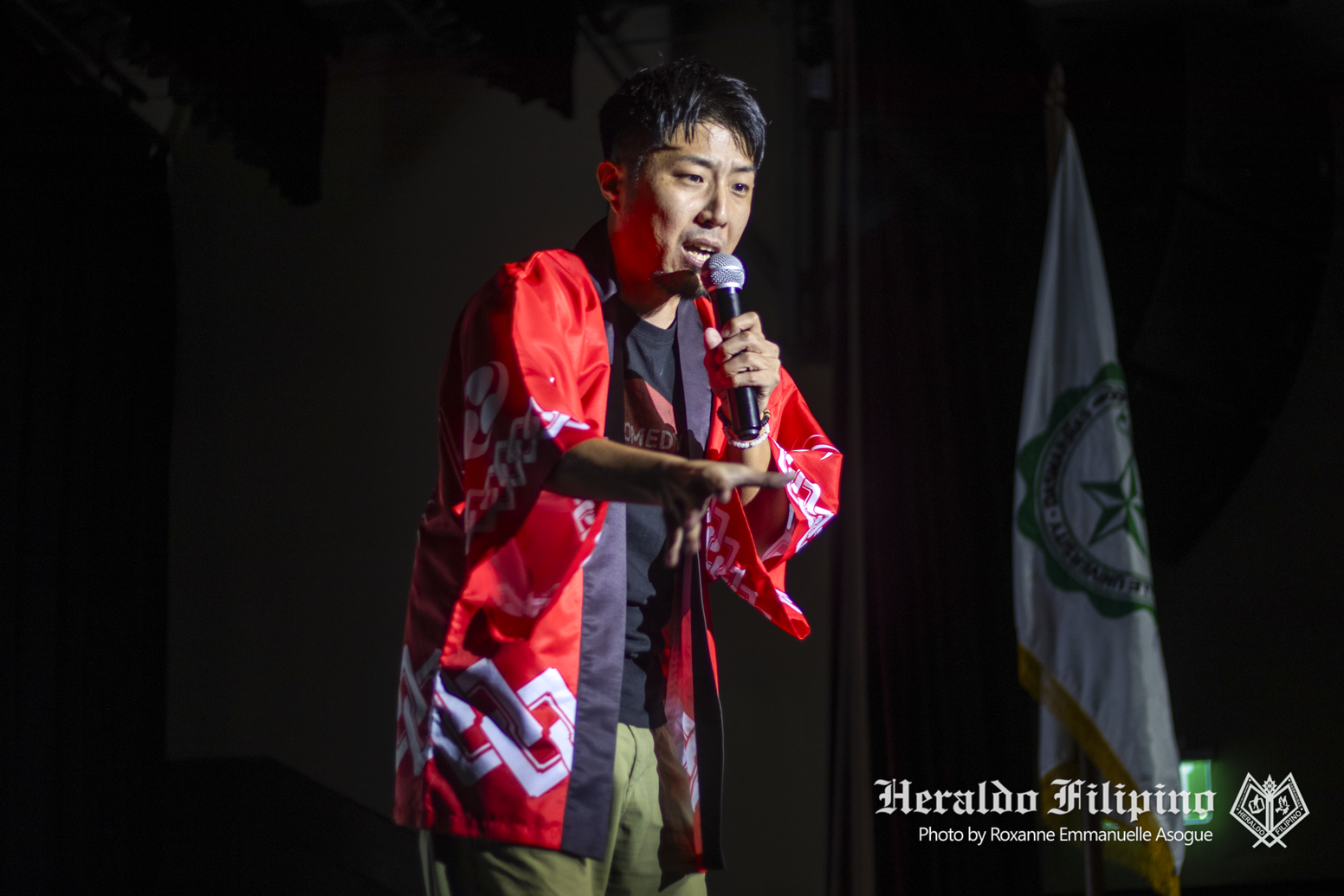
The show then moved to its first set, beginning with an international act. Japanese comedian Yuki Horikoshi delivered physical routines and jokes in a language not native to him. Using a sketchbook as a visual aid, he presented anecdotes about navigating unfamiliar Filipino traditions. At one point in his set, he asked the audience, “Pasensya na po, hindi ako magaling mag-Tagalog, kaya puwede bang salitang Japanese na lang? Naintindihan niyo naman, ‘di ba? Kaya niyo ‘yan, subukan natin.” He applauded as audience members gamely attempted to translate his Japanese phrases for one another, consulting seatmates like impromptu interpreters. His set reflected a cheerful-back-and-forth, with the crowd meeting him halfway, laughing their way through his routine.
After Horikoshi’s set, DLSU-D alumnus Victor Obera performed next. He introduced himself as an ambivert and a reserved performer, and his material centered on dating experiences and the demands of corporate work—topics he once feared presenting publicly. He remarked with mocked confession, “Kapag lunch time, ‘di ba, chismoso rin ako, pero para hindi obvious na sila ‘yung pinagchichismisan ko, binibigyan ko sila ng codenames,” he remarked—a story that drew knowing laughter from the room, particularly for adults.
Israel Buenaobra, one of the founders of The Comedy Crew, performed the third set and brought a style influenced by his Baguio roots. His material often centered on self-deprecating humor, including remarks about his body and experiences riding jeepneys and airplanes. He shared observations about people in Metro Manila and recalled how his mother used superstitious sayings such as those related to breaking glassware. “Isang example ng mga kasabihan na gusto ng nanay ko: kapag matagal na raw kayo ng jowa o asawa mo, nagiging magkamukha na kayo,” he said. “Pero nu’ng sinabi sa’kin ‘yun ng nanay ko, natakot ako. Hindi ito ‘yung mukha na gusto ko makasama habang buhay,” he continued, pointing at himself for effect—letting the pause do the work, as laughter rippled through the room.
Many comedians draw material from leaving their comfort zones and observing everyday life. The passion to deliver authentic jokes takes courage and confidence to connect with their audience, especially when the material reflects shared routines or familiar habits.
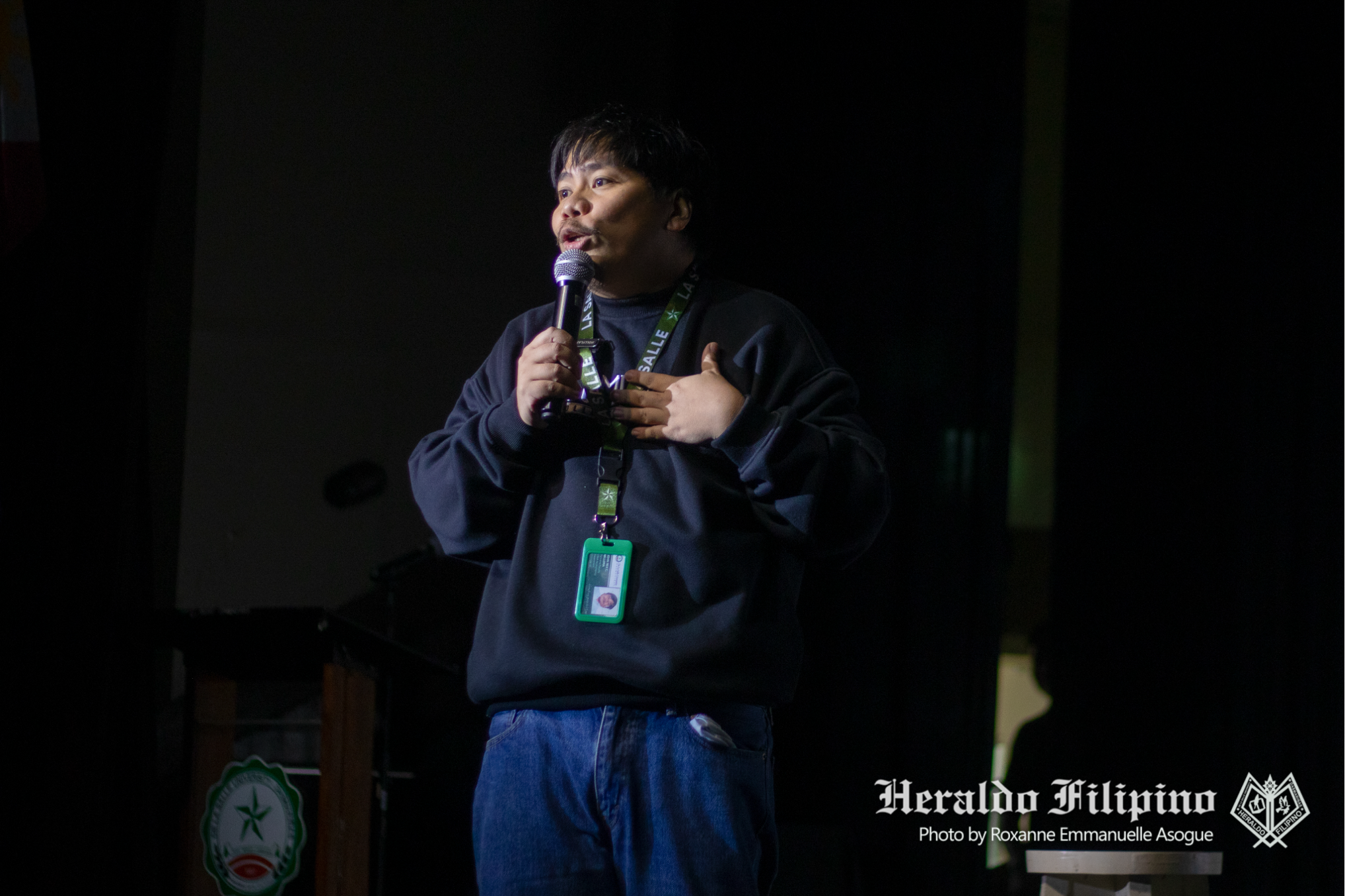
Giving back for the alma mater
Millora, previously known for speaking on personal finance, sparked his passion for stand-up comedy by compiling jokes from his hosting gigs. Anak sa Laughter aimed to promote Cavite-based artists and encourage students to participate in scenes such as acoustic music, dancing, and spoken poetry. He chose the University as his venue to share this milestone with his alma mater and to offer a stage for developing artists.
In the show’s grand finale, Millora took the stage as the headliner. He delivered his running punchline, “Kumakain ka ba ng burger?” anchoring a set that spanned his youth, his time as a professor, and his work as a corporate accountant at Bounty Fresh.
He also did not shy away from addressing University-specific issues, including the ban on junk food. “Isa sa mga issue dito ay ipagbabawal na ang pagtitinda ng chichirya. Siyempre maraming adik doon, hindi natin mapipigilan na magkaroon ng pusher ng chichirya. Isipin mo tulak ka ng Ding Dong?” The punchline earned knowing laughter from the crowd..
He also tackled Cavite stereotypes. “Hindi ‘yun makakatulong sa stereotype nating mga taga-Cavite, ang dami raw pusher, krimen, lagi tayong maitutulad sa Tondo. Hindi nila alam napaka-spiritual ng Cavite. May Buddhist temple sa Amadeo. Mayroon ba sa Tondo? May nabalitaan ka na bang nagkasakit tapos biglang nag-meditate?” Following this wit, “Ang totoong produkto ng Cavite—chismis. Kaya nga capital natin Trece Marites. ‘Yung mga taga-Dasmariñas, masisipag—madaling araw pa lang, gising na, nag-iipon ng tubig dahil sa PrimeWater,” he joked.
***
The show concluded with a tribute marking Millora’s 10 years in stand-up comedy.
An accounting student from BSA23, Joshua Raine Oyos, summed up the audience sentiment: “Very solid ‘yung show nila and it shows a lot of unique comedians. Sobrang nakakatawa na nakaka-enjoy and ‘yun lang [ang] masasabi ko, sobrang solid ng pinakita nilang performance ngayong araw. So, ang masasabi ko lang is—kumakain ba kayo ng burger?”
Meanwhile, Angelica Jane Bautista, a childhood friend of Millora, shared a personal perspective reflecting the side of comedians that people close to them don’t often see. “Super enjoy kami ng family ko kasi kasama ko ‘yung daughter and husband ko. Sobrang nakakatuwa kasi first time namin mapanood si Rex. Since elementary, friends na kami and classmate ko na siya noon.”
Anak sa Laughter was more than a show—it was a homecoming. It opened doors for new voices to share honest, fearless views on life and community. It served as a reminder that even the simplest, most hilarious experiences carry heavy truths worth hearing—and that sometimes, the best way to handle life is to laugh.