RECENT PUBLICATIONS |

Making Herstory: Can’t Drag Me Down
It would have been a normal Thursday morning. The usual humdrum on the grounds of De La Salle University – Dasmariñas (DLSU-D): students drifting from class to class, voices overlapping as they debated what to have for lunch. But on February 13, something began to shift—slowly, then all at once.
The colors came first: vivid, deliberate, and entirely out of place in the best possible way. The House of Balagtas led a pride parade through campus, accompanied by the steady rhythm of the Lasallian Symphony Orchestra’s (LSO) drumline. Each beat carried the pulse of queer pride and allyship through grounds that had never heard it before.
For many of the students present, it may have felt like any other school event. But for those who understood what it took to get to this point, every note carried the quiet weight of four years of persistence finally paying off. They walked into that morning seminar knowing that what awaited them was something the University had never seen before.
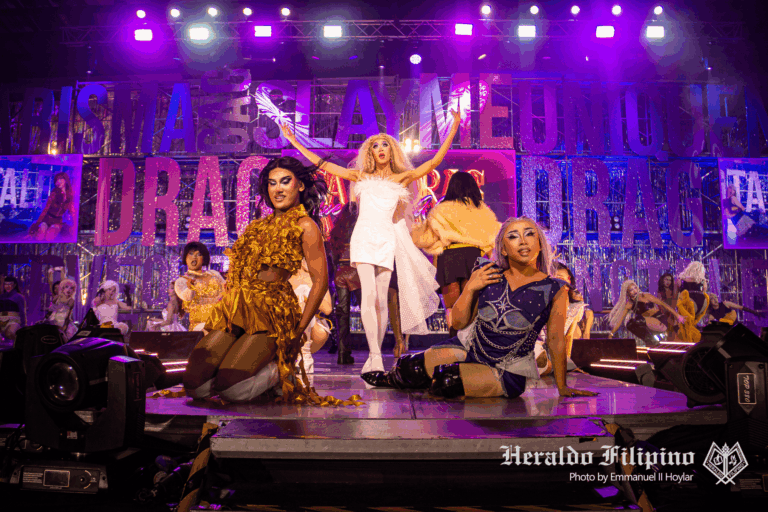
When afternoon came and the lights dimmed, eight drag houses from across the country stood onstage to battle for the crown. Joined by drag powerhouses Popstar Bench, Arizona Brandy, and Maxie Andreison, the heart of Filipino drag was given a stage that night, marking the fantabulous debut of what was labelled as the first season of Can’t Drag Me Down: Queens For A Cause.
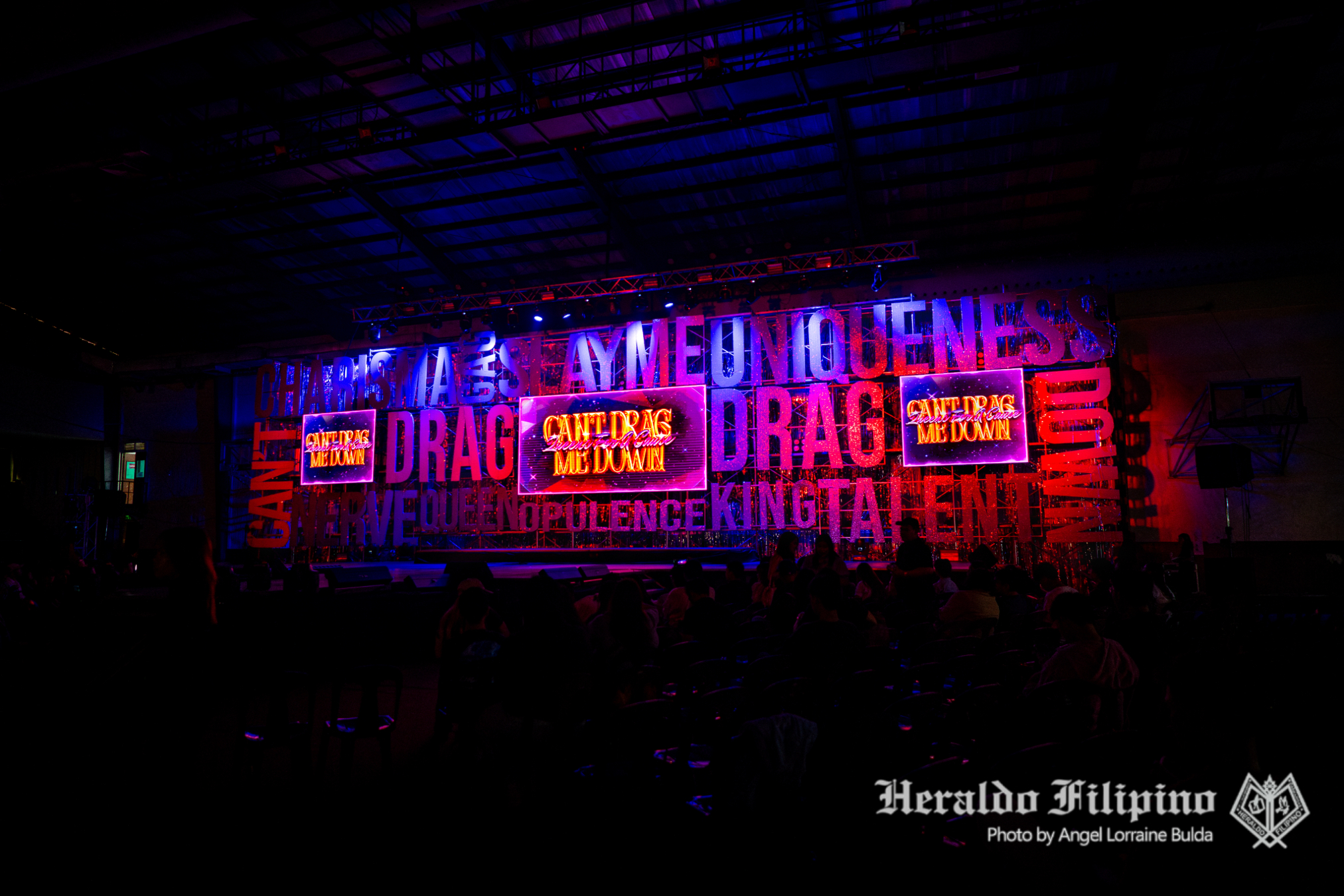
Season 1 untucked: Behind the glitz and glamor
The success of Can’t Drag Me Down: Queens For A Cause was not immediate. The event was the culmination of a four-year struggle led by TEATRO Lasalliana Artistic Director Nazer Salcedo. Year after year, Salcedo pitched the concept to the university administration, often met with the expected hesitation of a traditional Catholic institution. For a time, the event seemed unlikely to materialize.
Yet each rejection became a point of refinement. Salcedo, along with TEATRO Lasalliana members, persisted until a shift in administration finally allowed the proposal to move forward. What followed was the chaos of preparation.
Yolieanne Jenna Gandia, president of TEATRO Lasalliana, recounted the clamor of the preparations the day before, continuing well into the night of February 12 and into the early morning the next day. February 13 marked the height of the stress for the organization, with props still being arranged an hour before the scheduled start of the morning session.
Despite the pressure, TEATRO Lasalliana still managed to deliver an opulent production that not only celebrated queerness and its art forms but also doubled as a fundraiser for scholars while giving each drag house a platform to promote its cause. From pushing through proposals to the chaos of organizing the event, the making of Can’t Drag Me Down: Queens For A Cause proves that there is a space for queerness—with all its beauty and history—and that there will always be people bold and fierce enough to fight for it.
The “homosexual disorder”
Queer art has long existed within layered histories shaped by subcultures, particularly those rooted in African American communities, where expression became both resistance and refuge. Through fashion, dance, and performance, LGBTQIA+ communities created spaces of identity in a world that often denied them one.
During the early years of the HIV/AIDS crisis, misinformation took hold quickly. A New York Times article once referred to AIDS as a “homosexual disorder,” while early researchers labeled it gay-related immunodeficiency (GRID). Such framing reinforced the false notion that the disease affected only gay men—embedding stigma that lingers decades later.
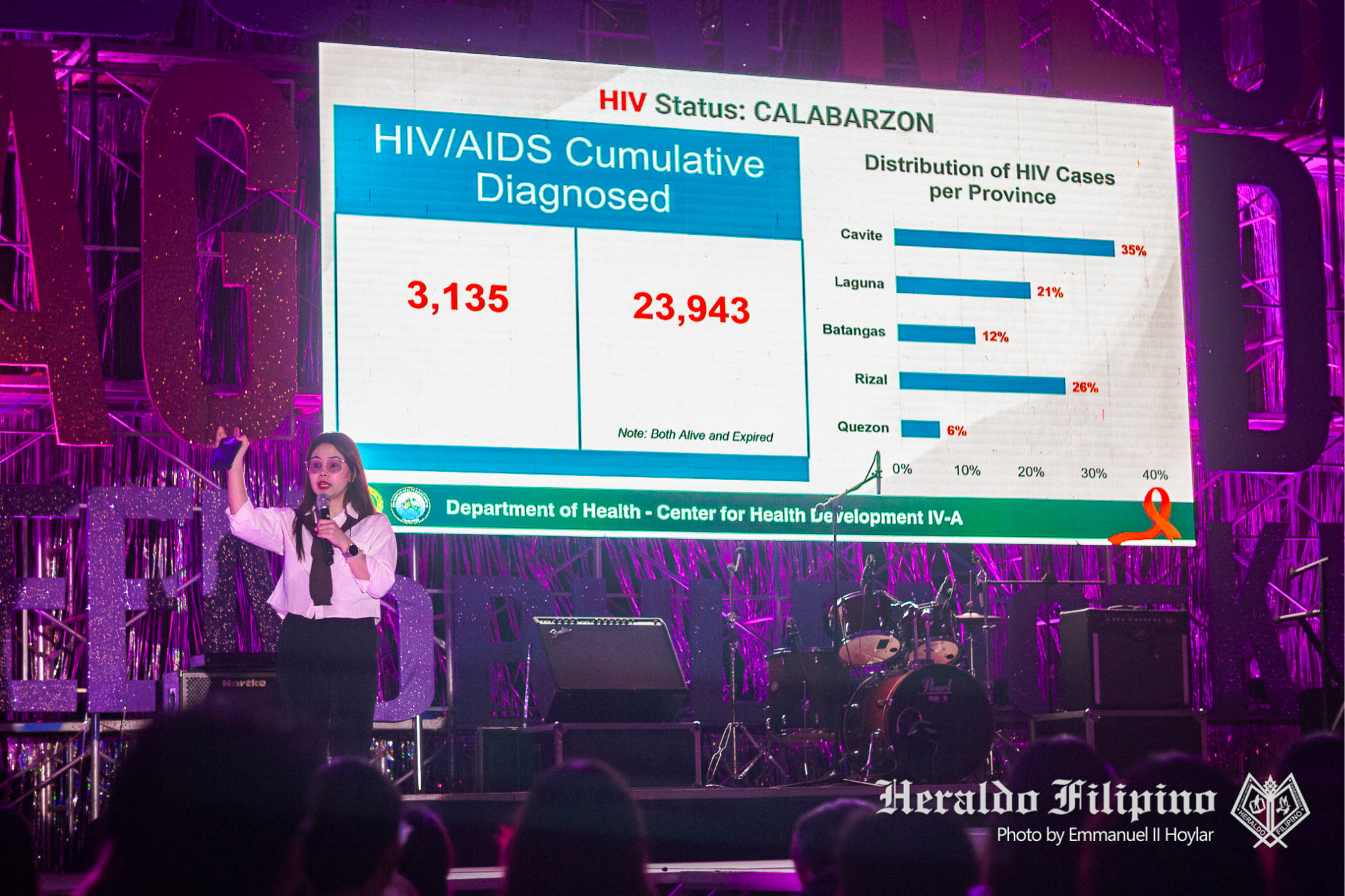
Leading the morning session, Julienne Christine Jader-Aurellado, RN, discussed the nature of HIV, detailing its modes of transmission, as well as its prevention and treatment. But beneath the technicality surrounding the disease lay something far more potent and pervasive than the virus itself—misinformation. This was evident 45 years ago during the beginning of its spread, all the way to the height of the pandemic when healthcare workers feared contracting the virus by simply interacting with HIV-positive patients. Despite proof that the exchange of bodily fluids was the main mode of transmission, discrimination continued not only because people feared infection but also because associating with the disease in any capacity was a cause for shame.
While it is now widely understood that HIV is not exclusive to gay men, the prejudice tied to its early mischaracterization remains. When sexuality becomes the first point of scrutiny upon diagnosis, correlation is mistaken for causation—allowing stigma to persist where understanding should prevail.
The art behind the transformation
In the face of such prejudice and misrepresentation, drag finds its meaning—as a bold, unapologetic form of expressing one’s own queer identity in a world that can’t seem to accept them.
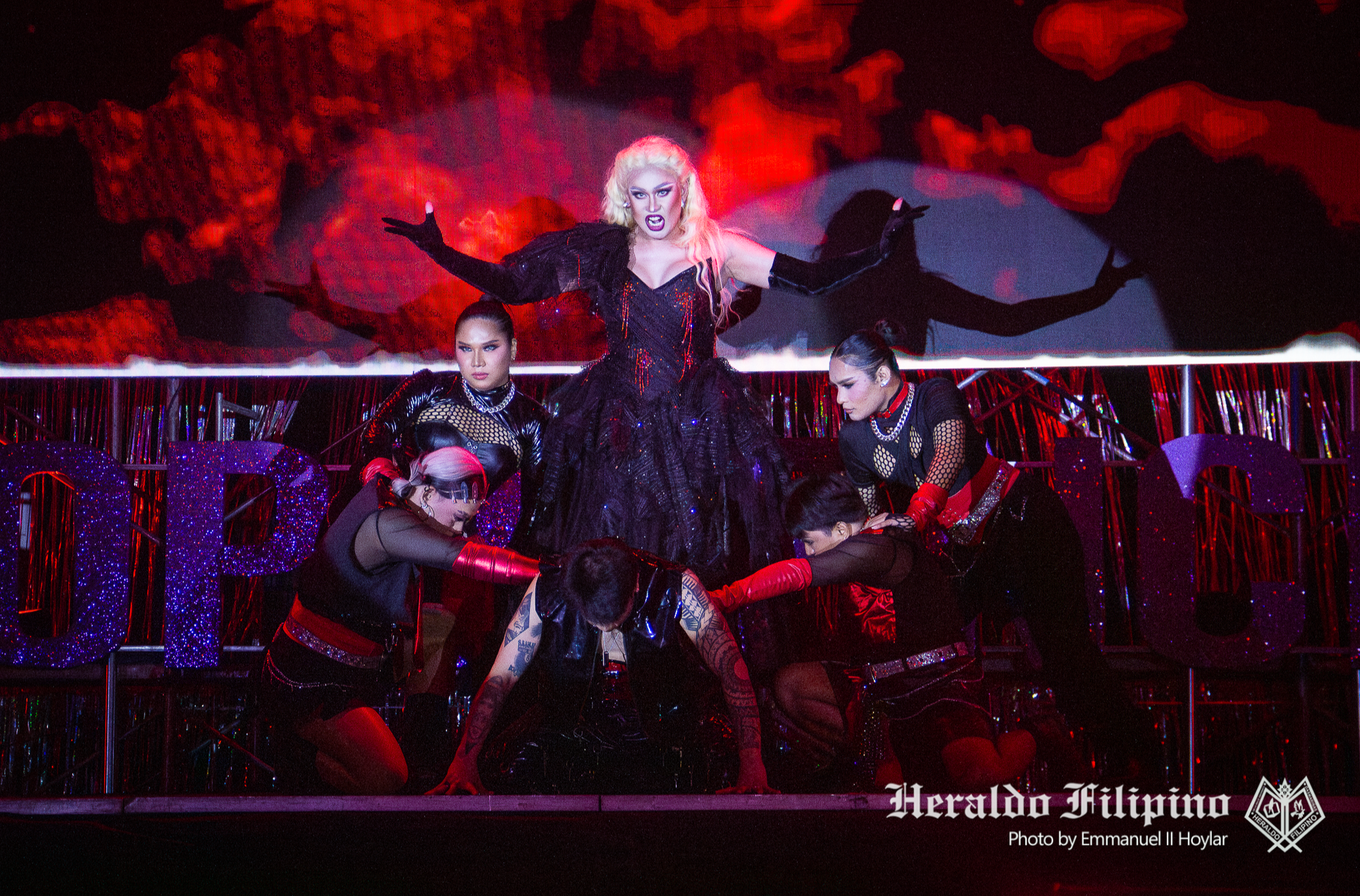
Drag is, at its core, an art form—and like any art form, it begins with a vision. The making of a drag look involves two primary parts: makeup and fashion. Backstage, the queens of DLSU-D demonstrated the technically demanding practice of makeup, using exaggerated colors and over-the-top features to sculpt entirely new faces.
Fashion in drag is similar in the way that it becomes an intentional transformation, drawing from high-fashion trends and personal storytelling to create looks that are as much the concept they represent as they are clothing. What makes drag fashion different from costume is that it becomes a canvas for identity. Every detail, from the silhouette down to the shoes, is chosen to communicate something.
Then the lights shut, the spotlights hovered, and the music faded in. For a single fleeting moment, the queens had the world’s attention.
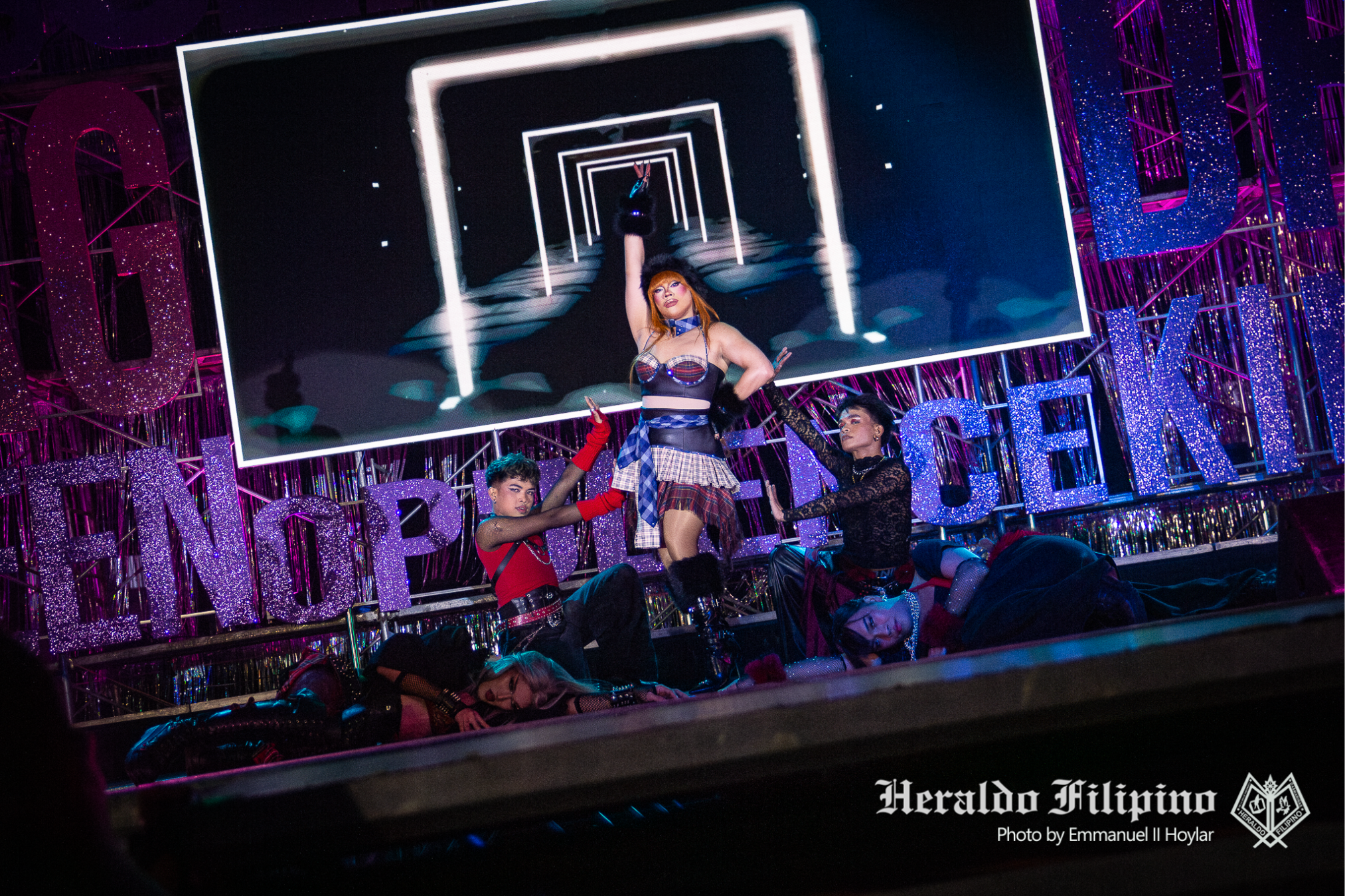
Most drag performances are built around the lip-sync—a format that rewards far more than just knowing the words. Great drag queens make you forget they aren’t actually singing; they sell the emotion of a song so completely that they begin to embody what the song means to them. The songs chosen for these performances are meant to represent something deeper, whether they fit the queen’s persona, tell a story, or simply aim to move the hearts of people.
A night to remember
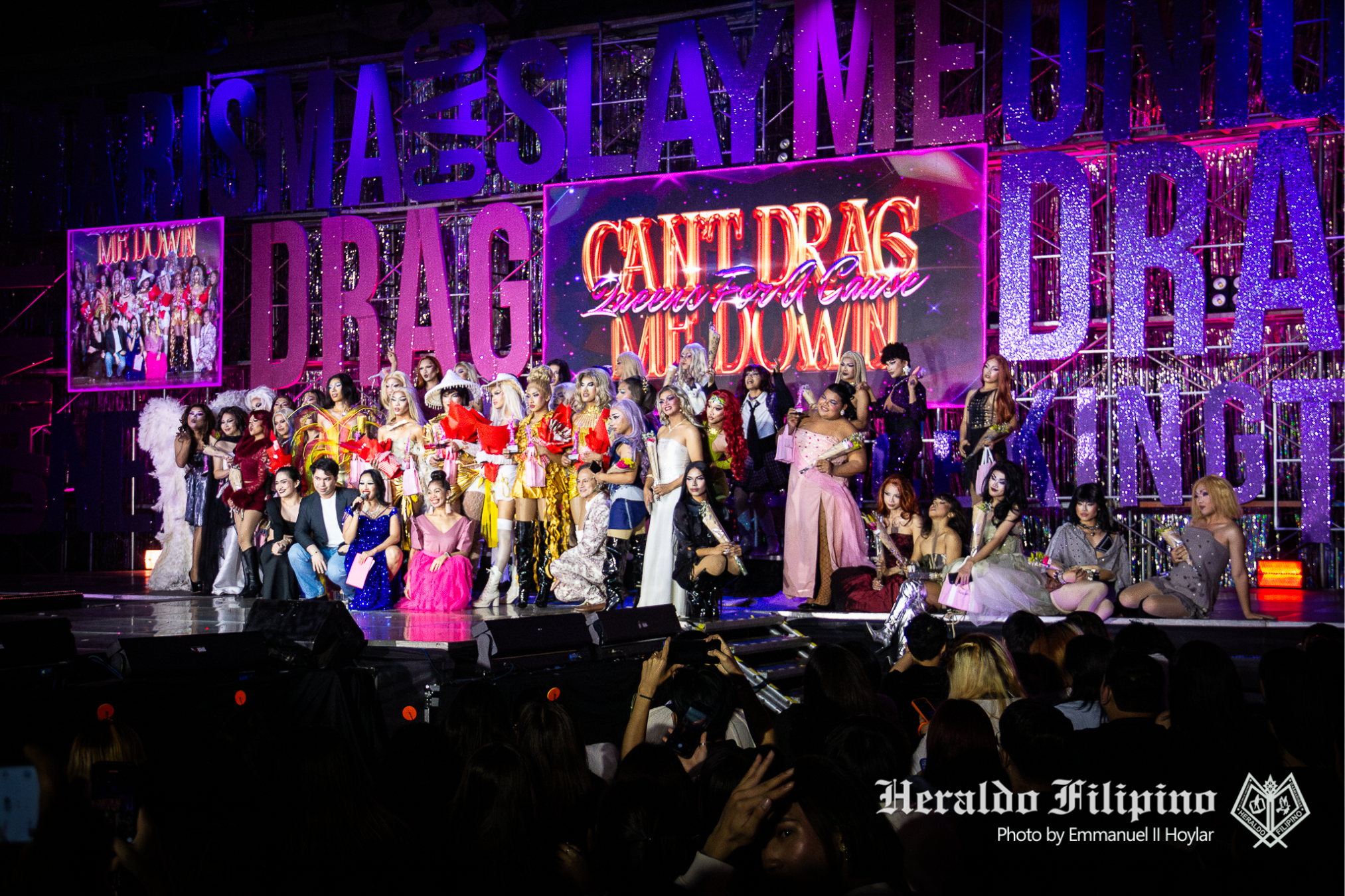
And the stars of the stage that night were eight drag houses, each competing for the title of Drag Superstars in what would become an unforgettable moment in the history of DLSU-D. The competition was formidable, the looks were immaculate, and by the end of the night, one house stood above the rest.
The House of Balagtas emerged as the evening’s dominant force. They had arrived on that stage with something to prove—and by the time the awards were announced, they had proven it completely. Securing the Drag Superstars title, Can’t Drag Me Down’s highest honor, was not simply a win—it was a statement. A statement that, on a stage that had taken four years to exist, they were exactly where they were meant to be. But what made the night truly memorable was not just one house’s dominance—it was the undeniable truth that every single house that stepped under those lights that evening belonged there just as much.
Adding to the weight of the occasion were three guest queens who brought national recognition to the event. Popstar Bench and Arizona Brandy, both veterans of Drag Race Philippines Season 2, shared the stage with Maxie Andreison, the reigning winner of Drag Race Philippines Season 3. Their presence signaled that the conversation surrounding queer visibility at DLSU-D had officially entered a new, more prominent era.
DLSU-D has always had a prominent queer community. But this day—this night—meant so much more to each and every person in that community. It meant a step in the right direction. People in the crowd were seen wearing their own drag, expressing their own identity and fighting on their own stage to earn their place. To the students sitting there, watching each and every second. It meant that their life up until that point had meaning.
***
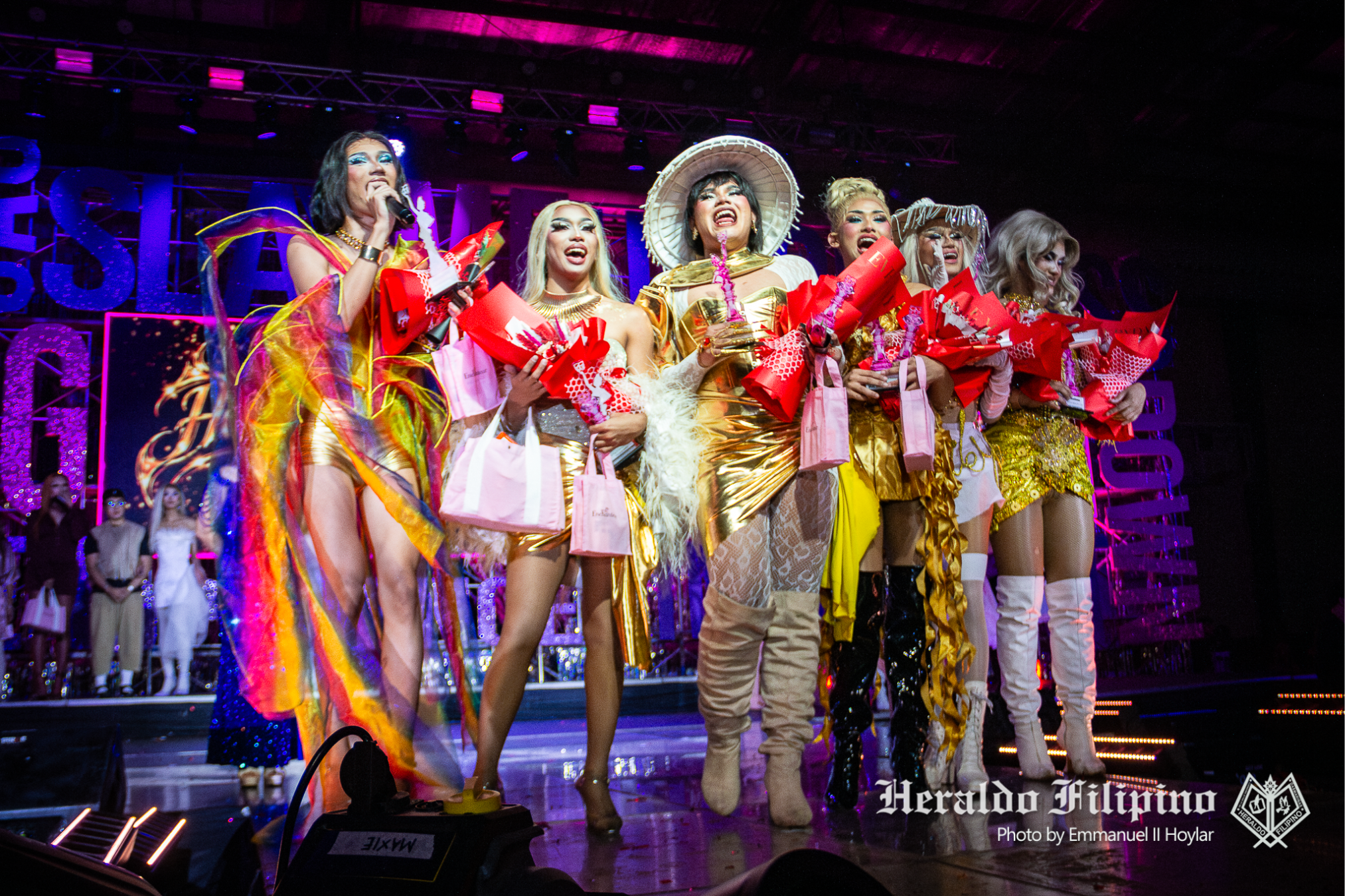
It would be easy to walk away from this event and remember only the glamor—the shimmering fabrics, the high-energy music and dance. However, Can’t Drag Me Down represented something far more than that. Every step taken, every lip-sync, every carefully crafted look on that stage represented the persistence of every single queen that night.
As Maxie Andreison herself put it: On a night like this, everyone wins. And standing in that gymnasium, watching herstory unfold in real time, the crowd knew exactly what she meant.